What is gum disease (periodontal disease)?
Periodontal disease is a slowly progressing chronic inflammation of the gum and other structures that hold the teeth in.
Periodontitis presents when gingivitis is neglected and the inflammation progresses to deeper tissues, including the bone supporting the teeth. Eventually, teeth may become loose or drift out of position. Gingivitis is the earliest manifestation. It is essentially an easily managed inflammation of the gums characterised by puffy, red and inflamed gums that bleed readily.
Periodontal disease usually progresses without any pain or discomfort until eventually tooth loss is inevitable. Pain is not usually a feature until it is too late.
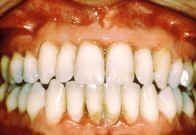
Unhealthy Teeth and Gums
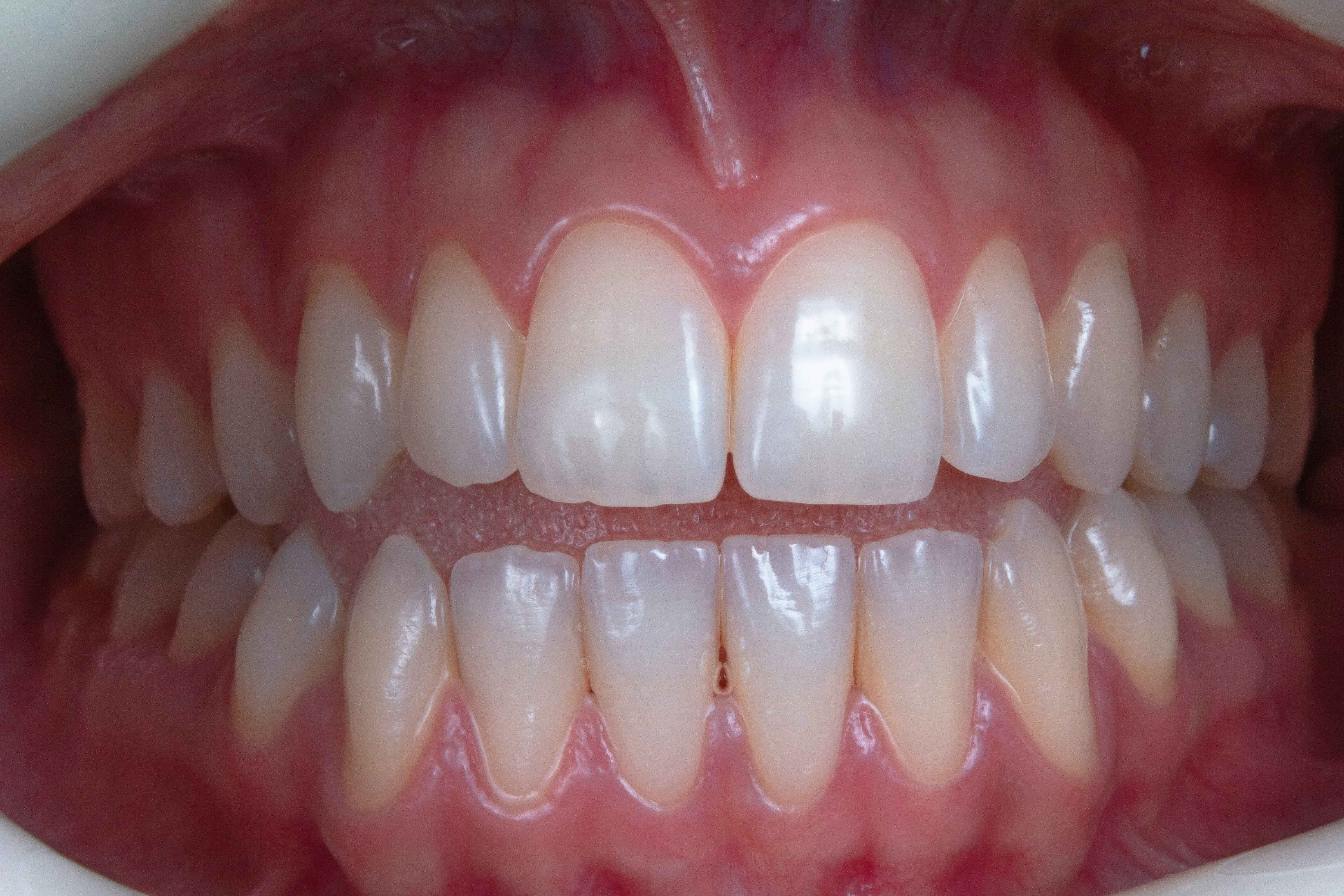
Healthy Teeth and Gums
The main signs of gum disease are:
Red, swollen or tender gums
Bleeding when you brush your teeth
Bad breath (halitosis)
Receding gums (teeth look like they are getting longer)
Spaces increasing between teeth
Discharge of pus from around or between teeth
Loose teeth
Looking for more information?
Gum disease develops gradually and often without pain or obvious symptoms. Understanding how it progresses can help you recognise the early warning signs and protect your long-term oral health.
Book an appointment
If you're considering tooth whitening, we'd be happy to discuss the options available and help you decide whether treatment is right for you.

