Root Canal Treatment
Saving a tooth that might otherwise need to be removed
Root canal treatment is used to treat infection or inflammation inside a tooth. In many cases, it allows us to save a tooth that might otherwise need to be extracted.
Despite its reputation, modern root canal treatment is usually no more uncomfortable than having a filling. Treatment is carried out under local anaesthetic to ensure you are comfortable throughout the procedure.
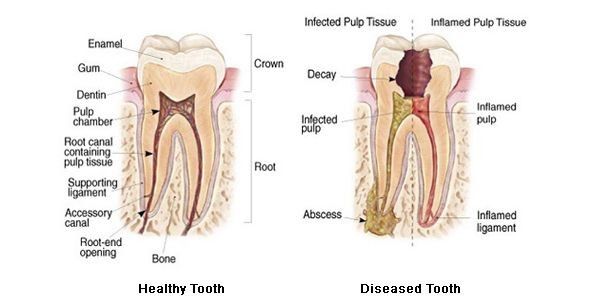
Why might I need root canal treatment?
Inside every tooth is a soft tissue called the pulp, which contains nerves and blood vessels. If this tissue becomes inflamed or infected, it can cause pain and, if left untreated, may lead to an abscess.
This can happen as a result of:
Deep tooth decay
Cracks or fractures in a tooth
Trauma or injury
Teeth grinding or clenching
Previous dental treatment, including large fillings or crowns
Common signs and symptoms
You may need root canal treatment if you experience:
Toothache or throbbing pain
Sensitivity to hot or cold that lingers
Pain when biting or chewing
Swelling around the tooth or gum
A tooth that feels tender or 'high'
A recurring gum boil or abscess
Sometimes there are very few symptoms until an infection develops, which is why regular dental examinations are so important.
What happens during treatment?
Root canal treatment involves carefully removing the damaged or infected tissue from inside the tooth before cleaning and sealing the root canals.
Treatment is usually completed over one or more appointments, depending on the condition of the tooth.
We'll talk you through the process before treatment begins and answer any questions you may have.
Will I need a crown afterwards?
In many cases, yes.
Teeth that have had root canal treatment can become more brittle over time. Depending on the amount of remaining tooth structure, we may recommend placing a dental crown to help strengthen and protect the tooth for the long term.
Looking for more information?
If you'd like to know more about what happens during root canal treatment, including the treatment process, risks and alternative options, please read our patient guide below.
Book an appointment
If you're experiencing tooth pain or have been advised that you may need root canal treatment, we're happy to discuss your options and help you decide on the most appropriate treatment.

